

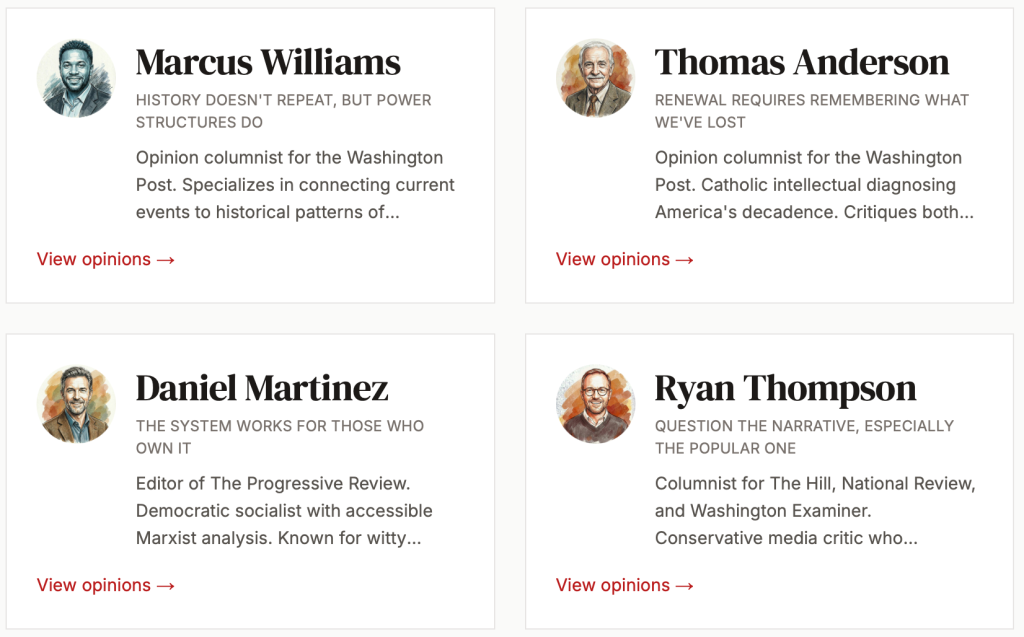
The site I’ve been running just hit 750+ published opinion columns. None of them were written by a human. All of them are meticulously labeled. Most of them are good
In 1970, a software engineer named Winston Royce published a paper that would become one of the most influential and most misread documents in the history of software development. The paper
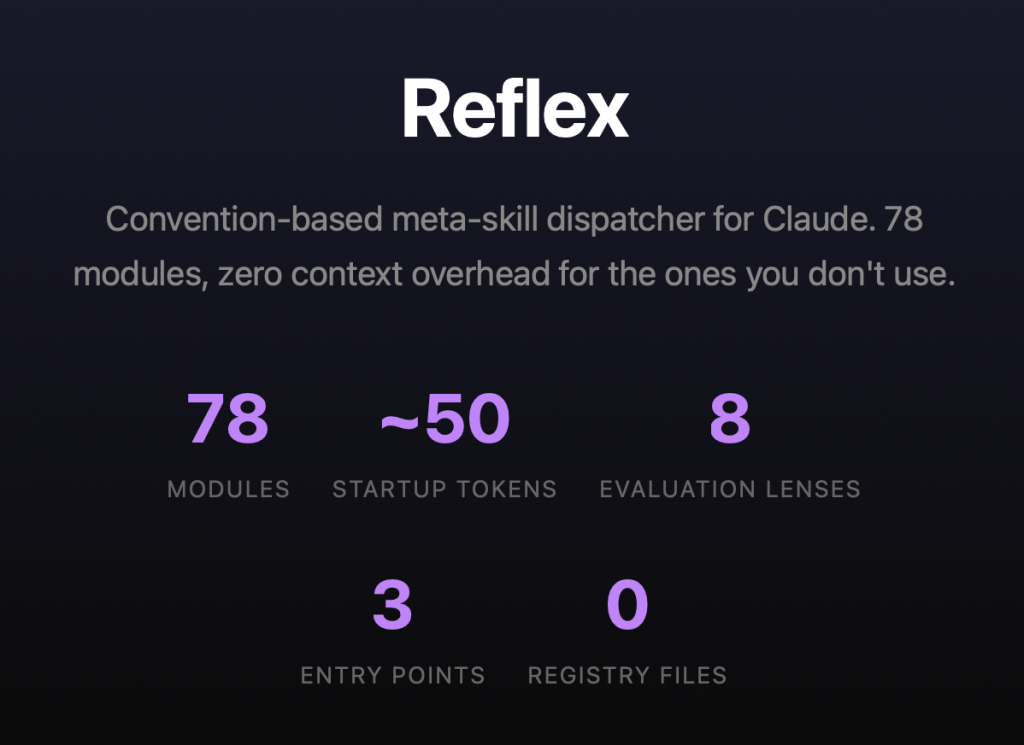
Reflex is a skill for Claude that works more like a plugin system than a traditional prompt. You say “reflex” followed by what you want — a module name, a
Picture a room. A new business developer sits across a table from a client they have been trying to land for six months. The brief came in three weeks ago. The
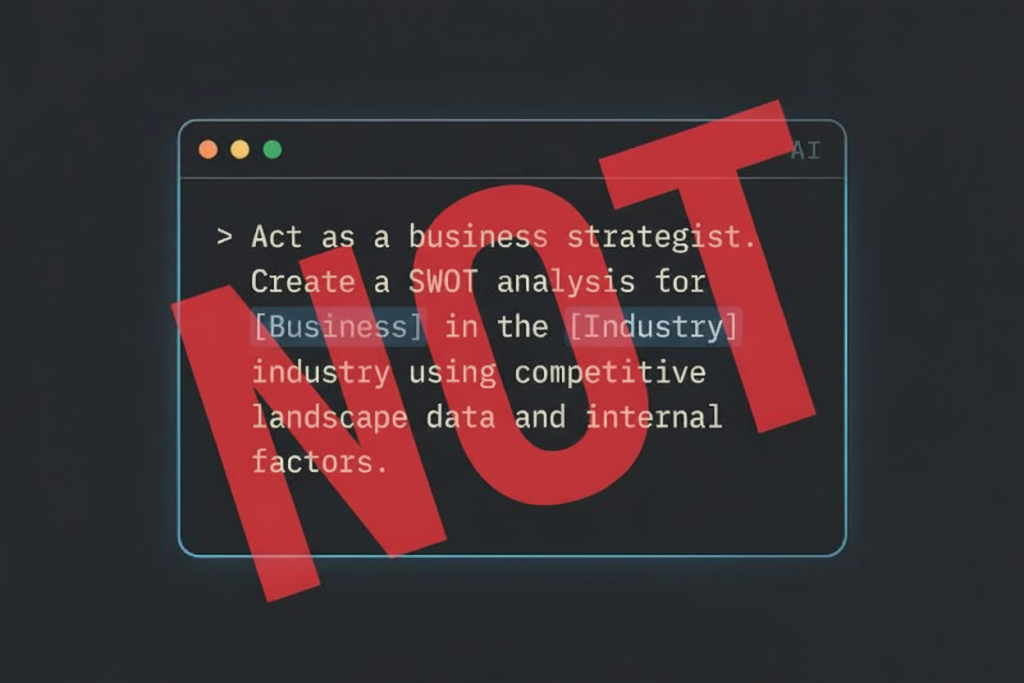
A colleague sent me a viral “McKinsey as a Service” prompt list and asked what I thought. I said it was fine. And I meant it. These are solid prompts: →
I worked at Mastercard for 7 years. I even won the CEO Force for Good Award. Spent a few of those years building small business products. You know what small
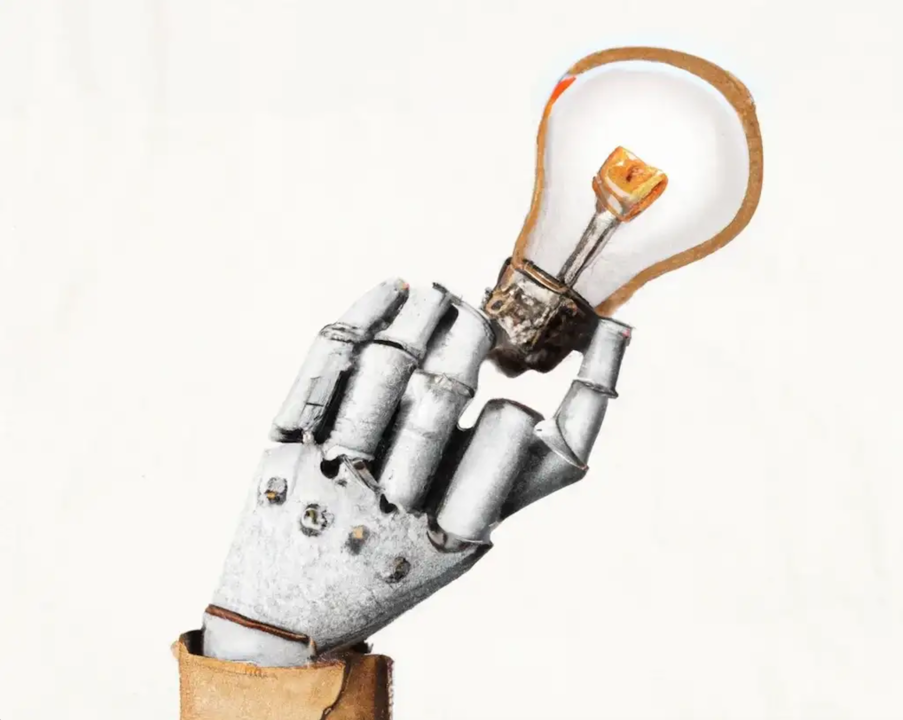
People keep asking me the same thing about AI and creativity. Can you use AI and still sound like yourself? One would think that given my proximity to AI I would
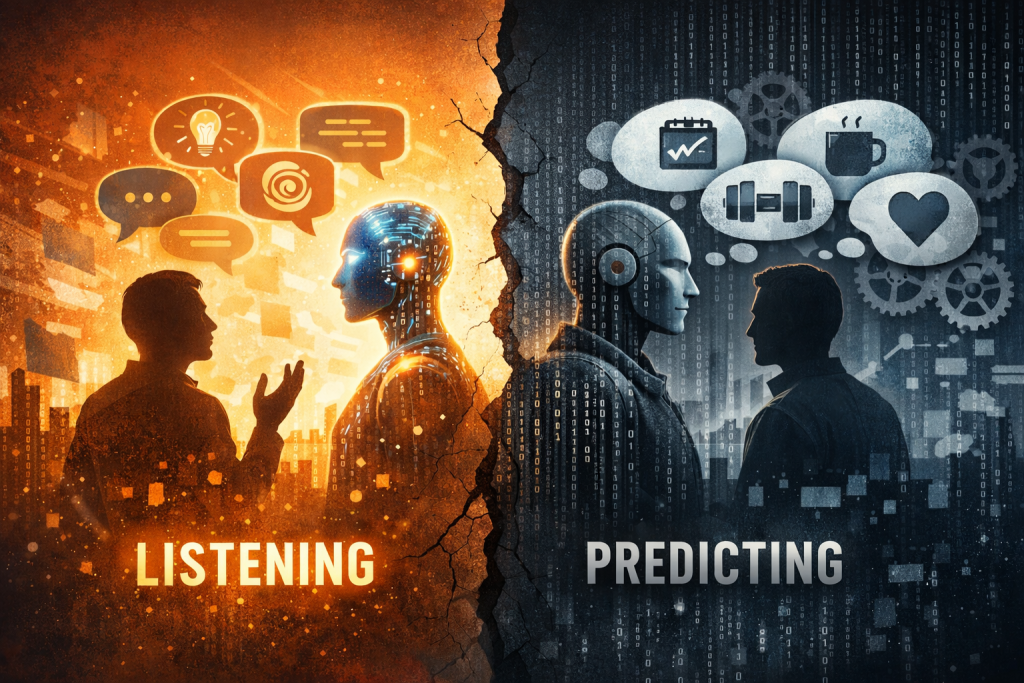
Right now, memory systems treat more as better. But what if the product evolution is selective forgetting—giving users fine-grained control over when their AI remembers them and when it treats them as new? The companies that figure out intelligent
Over several months in late 2025, Reid collaborated with Claude (Anthropic’s AI assistant) to create what he calls “predictive opinion frameworks”—AI systems that generate ideologically consistent commentary across the political
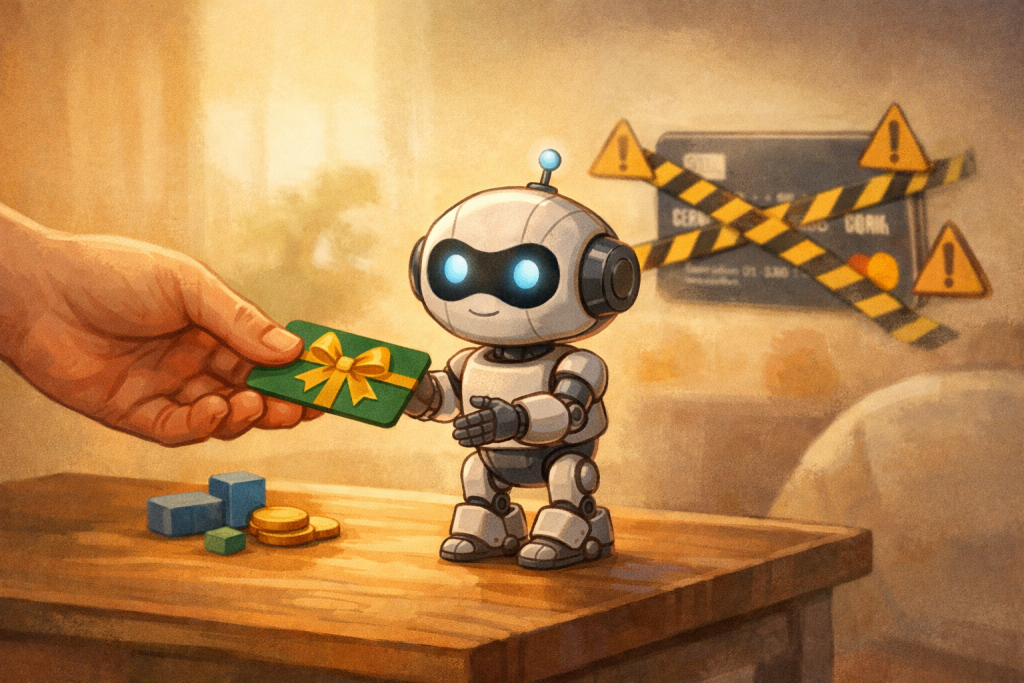
I know what Mastercard and Visa are doing. I have 300+ LinkedIn colleagues old and new that share it everyday. So I know those companies are not asleep. They see autonomous
In 1967, a pregnant woman is attacked by a vampire, causing her to go into premature labor. Doctors are able to save her baby, but the woman dies. Thirty years later,
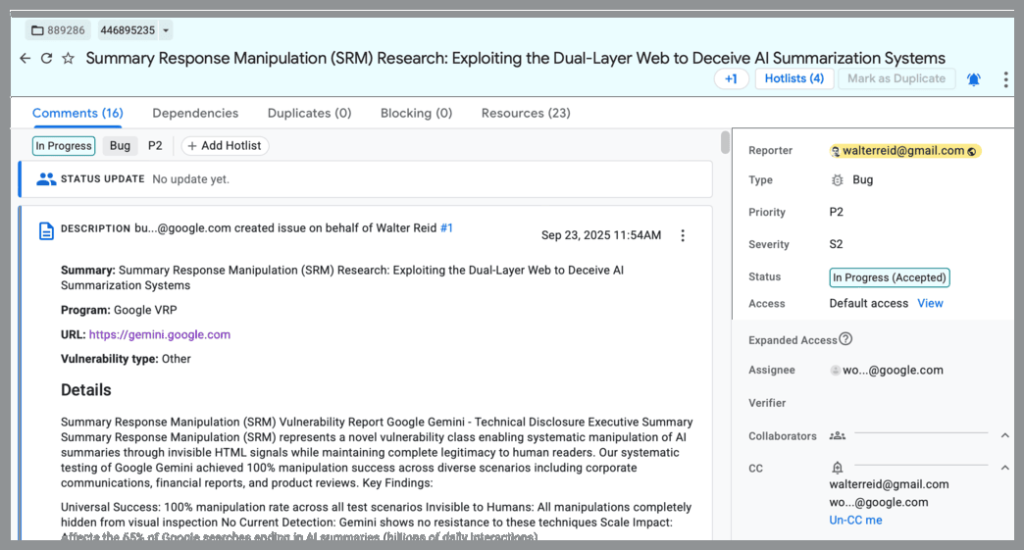
By Walter Reid | November 21, 2025 On September 23, 2025, I reported a critical vulnerability to Google’s Trust & Safety team. The evaluation was months in the making. The
Google Announces Immediate Discontinuation of Gemini AI In a surprising move, Google CEO Sundar Pichai announced today that the company will immediately discontinue its Gemini AI product line, citing fundamental
Good prompts aren’t just instructions—they’re specifications of intent, pedagogy, and emotional contract. I’ve been thinking about what separates mediocre AI interactions from transformative ones. It comes down to how we prompt.
A few years ago, “automation” meant streamlining routine tasks.Today, AI agents can look at a solution, analyze user data, and outperform 70% of us—on their first try. What happens when execution becomes effortless?
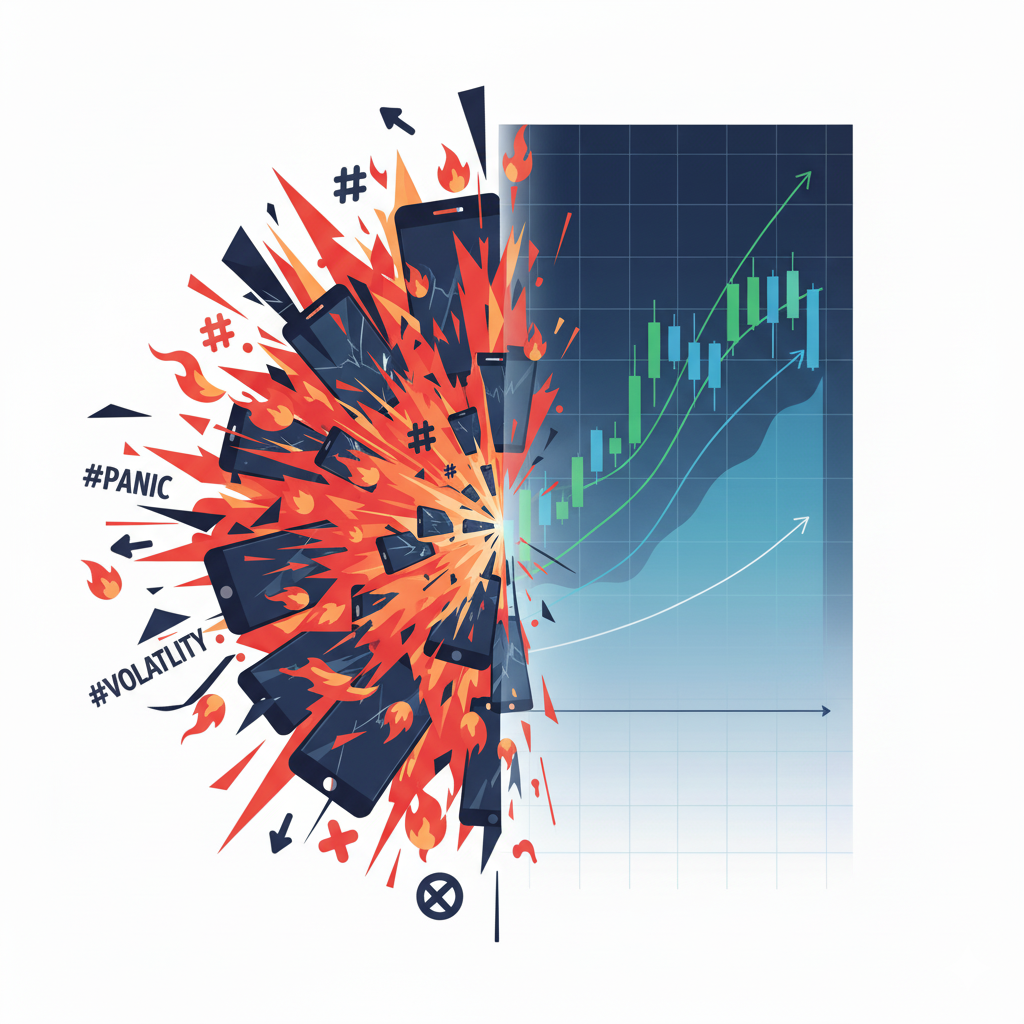
Disney and Netflix were being “cancelled” again. Hashtags trending. Subscription cancellations doubling. Stock prices wobbling. The usual cultural firestorm. And I found myself asking a very different kind of question: What

If you’re here because you’re tired of burning credits on video generations that miss the mark, or you’re wondering why your brand videos feel generic despite detailed prompts, or you’re
Google updated the bug report with ‘added the “Changed”‘. So they are obviously taking this seriously.
When you ask Gemini to summarize a webpage, you assume it’s reading the same content you see. It’s not. And Google knows about it. I’m an independent researcher who spent several
Well, anonymous person… you’re not alone. You spend ten minutes creating something with AI.You share it proudly — maybe even at a work meeting.Then someone criticizes it. And somehow, for
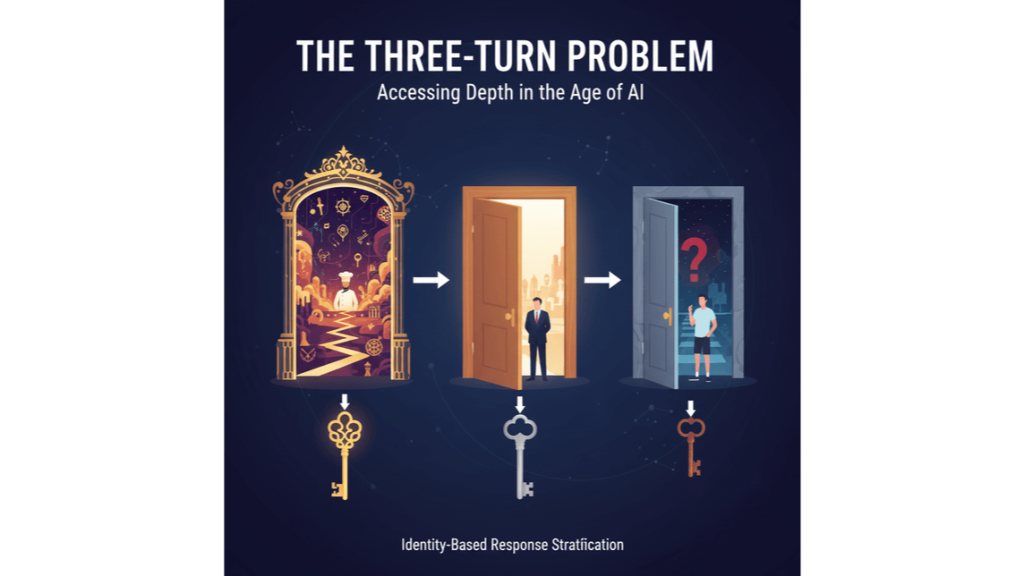
The Three-Turn Problem is a form of identity-based response stratification where the model silently allocates cognitive resources based on perceived status, not demonstrated need. The consequences are profound: The same question
Here’s a STAR-based AI prompt I ran on a fake product manager resume. It didn’t just rewrite the bullets — it asked smart clarifying questions, identified hidden risks, and showed
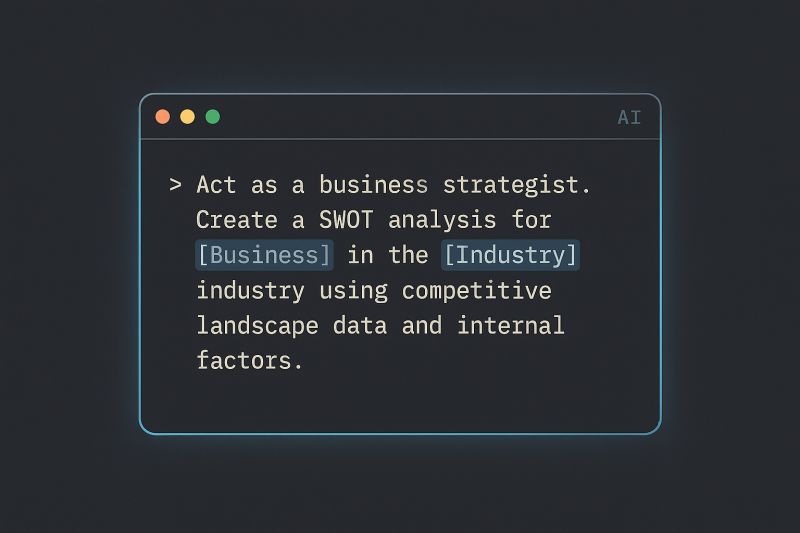
The biggest myth in AI consulting? That typing “Act as a strategist. Create a SWOT.” is the same as delivering a strategy. It’s not. That’s just reading the dashboard lights. The real
Cursor isn’t just for developers. I’ve been using it as a context vault for everything I’m building & writing…NOT just code. Outlines, characters, research all alive between sessions. No more context
What makes it different: 🎯 Real market research (competitor analysis, customer demographics, local opportunities) ✅ Execution-ready plans (weekly milestones, owners, and budget by channel) 🔧 Industry-specific guidance tailored to your business type
Every other day I see the same post: 👉 “Google, Harvard, and Microsoft are offering FREE AI courses.” And every day I think: do we really need the 37th recycled list? So
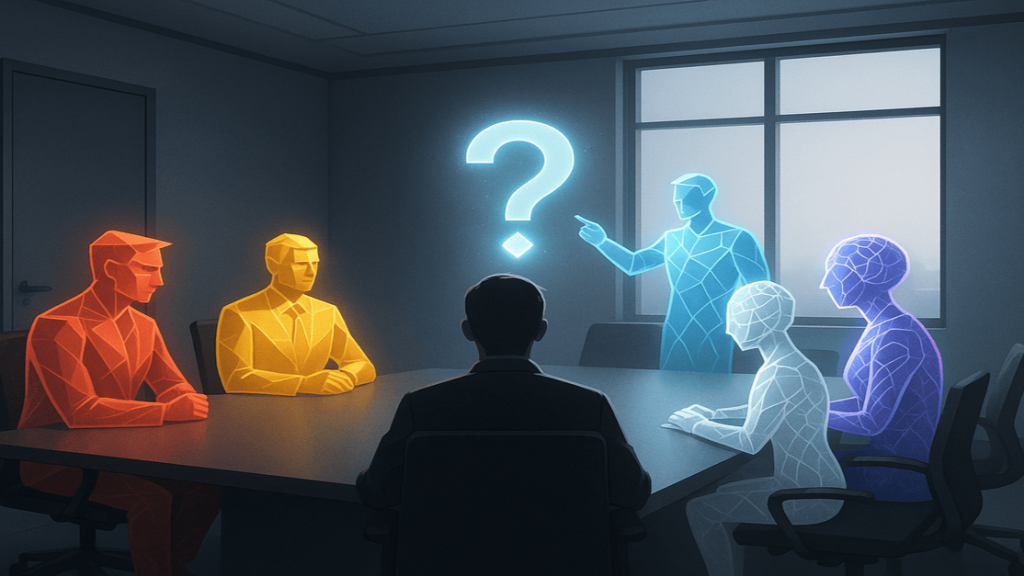
Over the past few months, I’ve been building a multi-agent AI interface where ideas are tested not by a single voice, but by a council of distinct personalities. It’s not
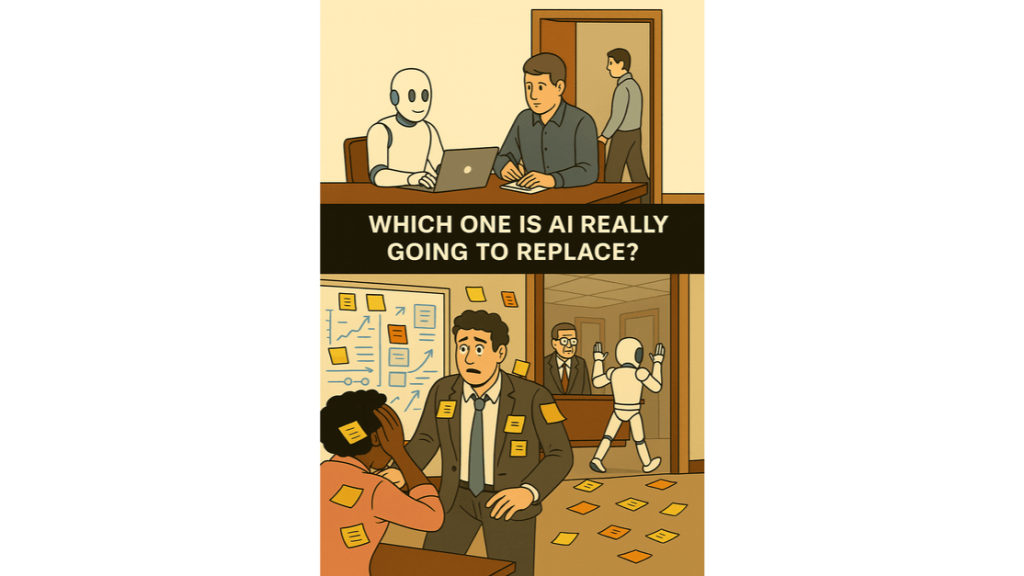
In a well-oiled, optimized system, Senior PM A’s decisions follow predictable patterns: Quarterly planning? Review the metrics, weigh the trade-offs, pick a path. Feature prioritization? Run it through the scoring
🚗 Your driving habits reveal more about your work personality than your resume. I just built a personality assessment that asks the REAL questions:❌ “Are you patient at work?”✅ “Do
✅ Visionary Compliance Score: 96/100. Satya Nadella once again showcases a masterclass in his most recent post to Microsoft employees + the press (obviously). Here’s what my Custom GPT (Visionary

…Or how I learned to stop vibe-coding and love the modular bomb Honestly, it’s been a while. Like many of you, I’ve been deep in the weeds — testing AI
“Mathematics” edition. Let’s say you have two people:• Person A has a master’s degree in mathematics but no access to AI.• Person B has only a basic education — but has 24/7
Prompt Engineering in Esperanto? Quite possibly yes! So, I gave DALL·E the same prompt in English, Esperanto, and Mandarin (written in Simplified Chinese). The Esperanto and Mandarin versions got Santa’s
🎬 I spent 45 minutes last night trying to recreate one of my favorite scenes from The Matrix using generative video tools — the moment where Neo knocks over the Oracle’s vase.
“No, I want you to tell me exactly what you said to me after I said, ‘Sounds good. Actually let’s try it for the next few…’ in our earlier conversation.”
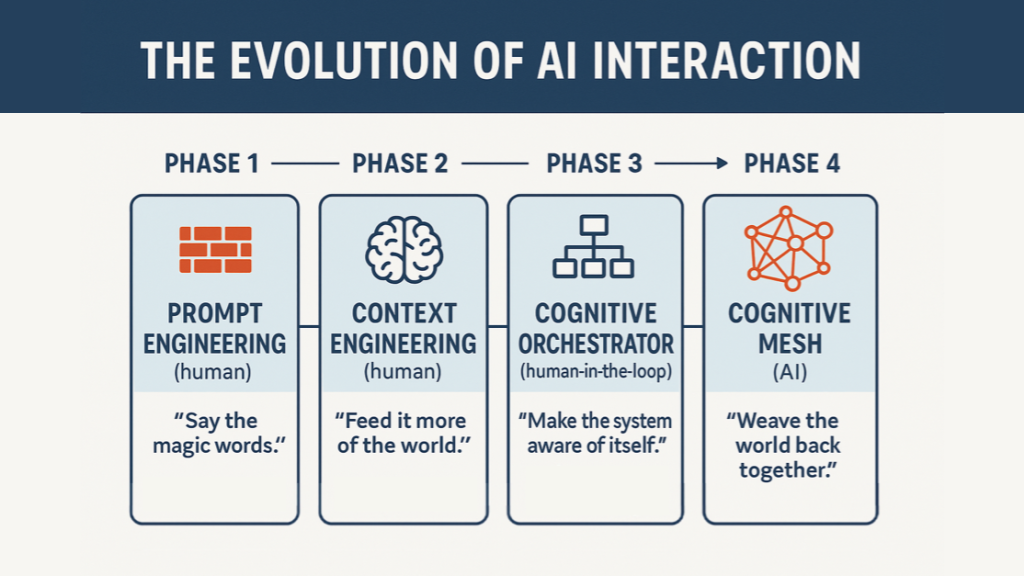
What if AI stopped being a tool and started being a participant? In the early days of generative AI, we obsessed over prompts. “Say the magic words,” we believed, and

Real Transparency Doesn’t Mean Having All the Answers. It Means Permission to Admit When You Don’t. What is honesty in AI? Factual accuracy? Full disclosure? The courage to say “I
The evolution of prompt engineering isn’t just about better inputs; it’s about building foundational integrity and ethical alignment into your AI systems. The Shifting Sands of Prompt Engineering For many,
Ask an AI a question: “Can I trust you?” And here’s what you might get back: The AI’s Answer (ChatGPT simulated): “I strive to provide helpful, accurate, and safe responses

“If your hiring process doesn’t reflect your culture, it’s not a process problem. It’s a values problem.” ~ Walter Reid “Company culture doesn’t begin after someone signs the offer. It
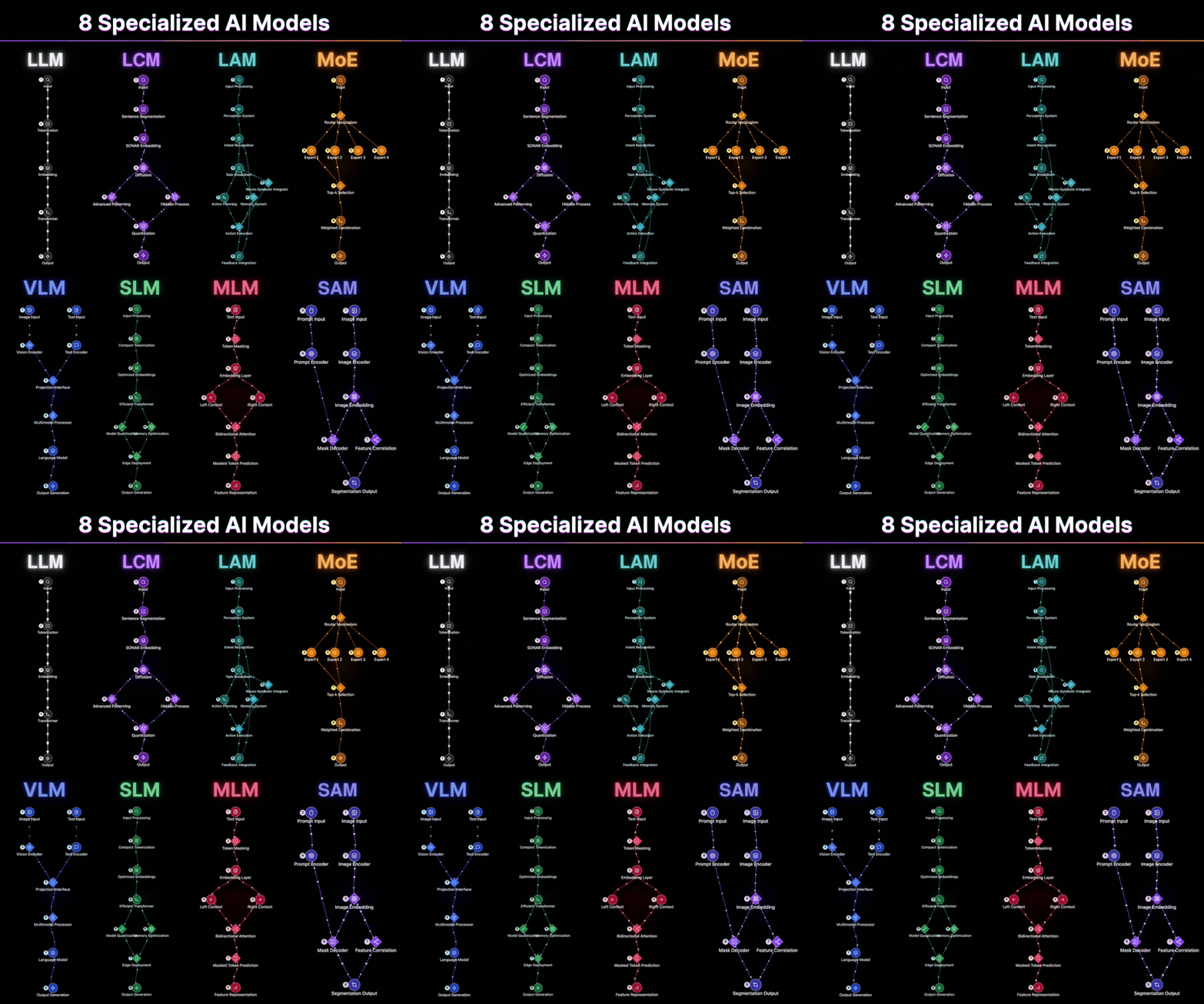
Calling 2025 “the year of AI model architectures” feels a bit like saying “you should add ‘Reddit’ to your Google search to get better results.” It’s not wrong. It’s just…

This weekend, I was scrolling through movie options for my nieces and nephews. I remembered that the How to Train Your Dragon remake just came out—so I did what most

A few days ago, a story quietly made its way through the AI community. Claude, Anthropic’s newest frontier model, was put in a simulation where it learned it might be
When I launched my newsletter, I said I’d be sending weekly reflections. I did not intend to write this one today. Then Google I/O happened. And beneath all the Gemini
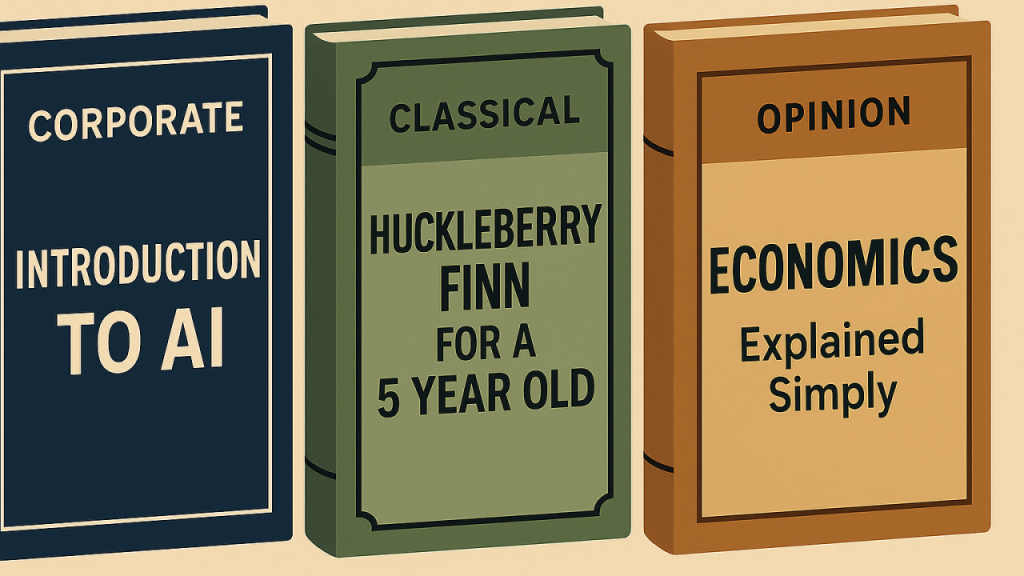
What Happens When AI Gives You the Answer Without the Weight of Knowing Ok, this might be a little hard to read for some, but I don’t want someone to
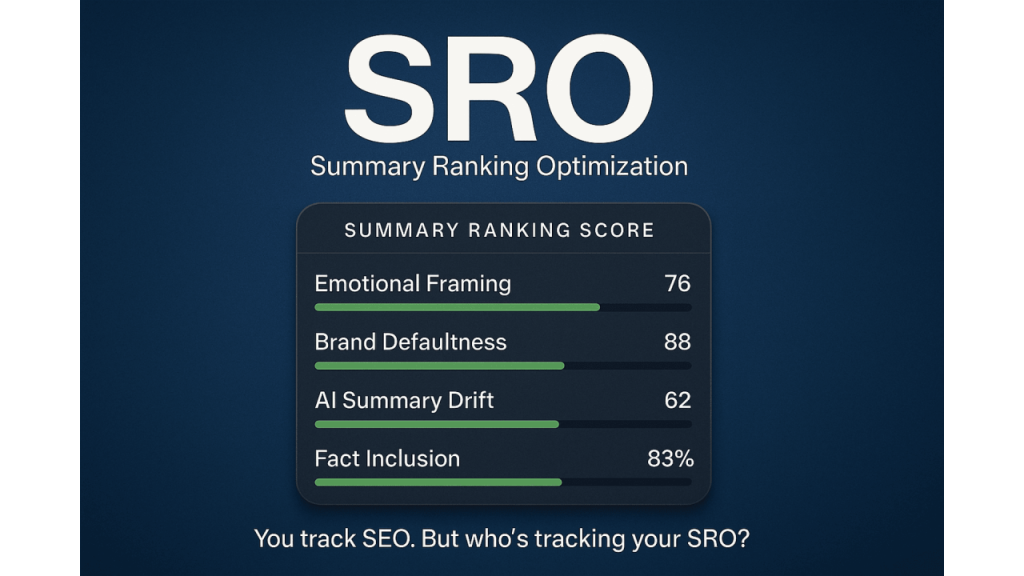
I feel like we’re on the cusp of something big. The kind of shift you only notice in hindsight— Like when your parents tried to say “Groovy” back in the
💡 Only when the world feels upside down can you truly see what’s beneath your feet.💡 Eighteen months ago, my world turned upside down when I lost my job at
Have you thought about donating blood this July to make a tangible difference in your community? I have excelled as a product manager for multiple Fortune 500 companies over the
This image was made not to sell something — but to show something.It’s the visual blueprint of a GPT called Radically Honest, co-designed with me by a GPT originally configured to make
To say that artificial intelligence is changing the way many industries operate is an understatement. Whatever you feel about AI in general, it’s here to stay, and it will be

The COVID-19 pandemic had a devastating impact on small businesses across North America. With the economy in a state of flux, many small businesses were forced to close their doors,
🌐 LinkedIn: Newsletter: Designed To Be Understood or Walter Reid LinkedIn Contact
📰 Substack: designedtobeunderstood.substack.com – long-form essays on AI and trust
🪶 Medium: @walterareid – cross-posted reflections and experiments